
Health and Safety Code 11357(a) HS - Possession of Concentrated Cannabis
Proposition 64 broadly legalized recreational cannabis for adults in California, but concentrated cannabis remains heavily regulated.
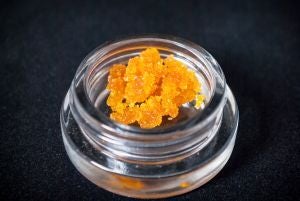
California Health and Safety Code 11357 HS mainly regulates personal possession of marijuana and concentrated forms such as hashish, wax, or vape cartridges within the state.
Under California Health and Safety Code 11357(a) HS, adults aged 21 and older can legally possess concentrated cannabis within personal limits.
However, underage individuals (under 21) face infractions for possession, and possessing any amount on K-12 school grounds can lead to different penalties under related subsections of HS 11357.
If you're dealing with a marijuana-related crime, having an experienced California criminal defense attorney from Cron, Israels & Stark by your side can truly make a difference.
To set up a consultation, feel free to call us at (424) 372-3112 or simply fill out the contact form here.
What is "Concentrated Cannabis" Under California Law?
According to California Health and Safety Code 11006.5, concentrated cannabis is the resin, whether crude or purified, extracted from the cannabis plant.
It has much higher levels of tetrahydrocannabinol (THC) compared to regular marijuana flowers. Typical forms of concentrated cannabis include:
-
Vape Cartridges & Pods: Pre-filled distillate oils used in electronic vape pens.
-
Dabs & Extracts: Highly potent concentrates known as wax, shatter, budder, crumble, live resin, or rosin.
-
Traditional Hashish: Compressed resin blocks or kief.
-
Infused Edibles & Tinctures: Potent liquids or food items manufactured using concentrated cannabis extracts.
Legal Limits and Statutory Penalties
The legal consequences of possessing concentrated cannabis depend strictly on the individual's age and the physical location where the substance is carried.
1. Adults Aged 21 and Older
-
Within Legal Limits (Up to 8 Grams): Adults aged 21 or older are legally permitted to possess up to 8 grams of concentrated cannabis for personal use.
-
Exceeding Legal Limits (More than 8 Grams): Having over 8 grams of concentrated cannabis constitutes a violation of HS 11357(b)(2). This offense is classified as a criminal misdemeanor, with penalties that can include up to 6 months in county jail and/or a fine of up to $500.
2. Young Adults Aged 18 to 20
-
Any Amount Up to 8 Grams: Individuals in this age group are below the legal age for recreational use. Possessing up to 8 grams of concentrate is considered an infraction and can result in a fine of up to $100.
-
More than 8 Grams: Under HS 11357(b)(2), possessing over 8 grams is a misdemeanor that can result in up to 6 months of jail time and a $500 fine.
3. Minors Under the Age of 18
-
Any Amount (Under or Over 8 Grams): Minors are not subject to incarceration or regular fines for simple possession; it is considered a juvenile infraction instead.
-
First Offense: Mandatory completion of 4 hours of drug education/counseling and up to 10 hours of community service.
-
Subsequent Offenses: Mandatory 6 hours of drug education and up to 20 hours of community service.
-
4. Possession on K-12 School Grounds (Any Age)
Possession of concentrated cannabis on the grounds of a K-12 school while classes or school activities are actively in session triggers strict penalties under HS 11357(c):
-
Adults (18+): A first offense is an infraction, fined up to $250. A second or subsequent offense escalates to a misdemeanor punishable by up to 10 days in county jail and a $500 fine.
Elements of the Offense: What the Prosecution Must Prove
To obtain a conviction for an infraction or misdemeanor under HS 11357, a district attorney must establish four specific legal elements beyond a reasonable doubt.
-
Unlawful Control/Possession: The defendant either had direct physical control (actual possession) of the substance or had the right to control it through another person or place, like a vehicle glove box or backpack (constructive possession).
-
Knowledge of Presence: The defendant was consciously aware that the concentrated cannabis was in their vicinity or possession.
-
Knowledge of the Substance's Nature: The defendant was aware that the item was a controlled substance or a restricted cannabis concentrate; they do not need to know its specific chemical profile, only that it is a drug.
-
Usable Quantity: The amount possessed was considered a "usable amount," indicating there was enough for actual consumption as a drug. Traces, residue from empty cartridges, or debris that cannot be smoked do not satisfy this legal standard.
Related California Drug and Vehicle Laws
Cannabis concentrate citations or arrests rarely happen in a vacuum. Law enforcement officers often stack charges or apply related statutes depending on the circumstances:
-
Health & Safety Code 11359 HS (Possession with Intent to Sell): Having concentrated cannabis along with scales, small packaging bags, large sums of cash, or text messages negotiating sales can lead to misdemeanor charges. These charges can escalate to a felony if you have certain serious prior offenses or if minors are involved.
-
Health & Safety Code 11379.6 HS (Chemical Manufacturing): Extracting concentrated cannabis with chemical solvents such as butane, propane, or ether—commonly to produce "BHO" or shatter—at home is a serious crime. It can result in a state prison sentence of 3 to 7 years and fines reaching up to $50,000.
-
Vehicle Code 23222(b) VC (Open Container of Cannabis in a Vehicle): Driving with an unsealed vape cartridge or open jar of concentrate in the passenger area is a violation that results in a $100 fine. It must be fully sealed or stored in the trunk.
-
Vehicle Code 23152(f) VC (Driving Under the Influence of Drugs): Driving a motor vehicle while under the influence of active THC compounds in cannabis concentrates is legally identical to an alcohol DUI, with penalties such as jail time, license suspensions, and hefty fines.
Under California Health and Safety Code 11357(c) HS, possessing marijuana on school grounds during operating hours is a separate criminal offense.
Legal Defenses to Defeat the Charges
A skilled criminal defense attorney can deploy several robust strategies to challenge an alleged violation of HS 11357:
Medical Cannabis Exemption (Compassionate Use Act)
Under California's Proposition 215, qualified patients and designated primary caregivers with a valid doctor's recommendation are legally allowed to possess concentrated cannabis in amounts greater than the usual 8-gram recreational limit, as long as the quantity reasonably matches the patient's current medical needs.
Lack of Knowledge
If a friend leaves a high-potency vape cartridge in your jacket pocket or vehicle center console without your knowledge, you lack the necessary criminal intent or awareness. If you were unaware of its presence, you cannot be charged with unlawful possession.
Fourth Amendment Constitutional Violations
If law enforcement finds concentrated cannabis through an unconstitutional search—like pulling your vehicle over without reasonable suspicion, prolonging a routine traffic stop to perform a canine sniff, or searching your closed luggage without a warrant or your explicit permission—the evidence may be suppressed.
Once the judge suppresses the physical drugs, the prosecution's case typically collapses entirely.
Frequently Asked Questions (FAQs)
Is a vape cartridge measured by the total oil weight or the THC content?
The law considers the total physical weight of concentrated cannabis, not its purity or THC content. For instance, a 1-gram vape cartridge is counted as 1 gram toward your 8-gram personal possession limit, regardless of whether the oil contains 70% THC or 95% THC.
Can I face felony charges for simply possessing wax or shatter?
Generally, no. After Proposition 47 was enacted, possessing more than 8 grams of concentrated cannabis is classified as a misdemeanor.
It only becomes a felony if you have previous convictions for very serious crimes, such as murder, sex offenses requiring registration, or vehicular manslaughter while intoxicated. However, genuinely manufacturing concentrates with chemical solvents like butane is always considered a felony.
What is the difference between marijuana flower and concentrated cannabis limits?
Since concentrates are significantly more potent than flower, the law enforces stricter weight restrictions. Adults may legally possess up to 28.5 grams (roughly an ounce) of raw cannabis flower, but are limited to 8 grams of concentrated cannabis.
Can I clear a conviction for possessing over 8 grams from my criminal record?
Yes. Misdemeanor convictions for exceeding the 8-gram personal limit can be expunged under California Penal Code 1203.4 after you complete probation or your court-ordered sentence, which effectively removes the conviction from public background checks.
Hypothetical Case Examples
Case 1: The Shared Vehicle Trap
A 19-year-old college student uses a roommate's car to buy groceries and gets pulled over by a California Highway Patrol officer for an expired registration tag.
The officer notices a 1-gram cannabis vape cartridge in an open slot of the center console. The student receives a citation for violating HS 11357, related to underage possession of concentrated cannabis.
In court, the student's lawyer shows text messages and a signed affidavit from the roommate, confirming that the vehicle and the cartridge belonged solely to them. This evidence demonstrates that the student had no prior knowledge of the drug's presence, leading to the case being dismissed.
Case 2: The Excessive Concentrate Accumulation
An adult collector attends a licensed dispensary event and buys ten 1-gram jars of live resin wax (totaling 10 grams) to take advantage of a bulk discount.
On the way home, they are pulled over for speeding, and the officer finds the bag of concentrates. Since 10 grams is over the legal 8-gram personal limit by 2 grams, the driver faces a misdemeanor charge under HS 11357(b)(2).
The defense attorney discusses with the prosecutor prior to trial, emphasizing the defendant's clean record and evidence of purchase from a licensed vendor. The state consents to refer the client to a Penal Code 1000 drug diversion program; after completing a short educational seminar, the criminal charges are dismissed and sealed.
Speak with a California Drug Defense Attorney
Navigating California's complex cannabis laws can be very stressful. Even a small infraction or misdemeanor on your record can threaten your access to student loans, professional licenses, job prospects, and housing applications.
If you or a loved one faces charges or an investigation related to concentrated cannabis, don't try to handle it alone.
A local California criminal defense attorney at Cron, Israels & Stark can develop a strong defense, safeguard your constitutional rights, and work to keep your record clean.
Contact a qualified defense lawyer today for a confidential, no-obligation case review.