
.California Boating Under the Influence (BUI): Harbors & Navigation Code 655 Laws, Penalties, and Defenses
Operating any vessel while impaired by alcohol or drugs in California is a serious crime governed by California Harbors and Navigation Code (HNC) 655.
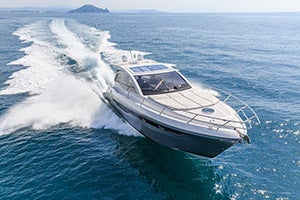
Known as Boating Under the Influence (BUI), this charge mirrors many aspects of driving under the influence (DUI) on the road and can result in jail time, steep fines, probation, and potential driver's license implications.
What Is Harbors and Navigation Code 655?
Harbors and Navigation Code 655 HNC makes it unlawful to operate or control any motorized or non-motorized vessel while impaired by alcohol, drugs, or a combination of both. Under California law, BUI applies to a wide variety of watercraft:
-
Powerboats and speedboats
-
Jet skis and Personal Watercraft (PWCs)
-
Sailboats
-
Yachts and commercial vessels
You do not need to be actively navigating at high speeds to face charges; simply steering or exercising actual physical control over a moving vessel while impaired satisfies the legal threshold.
Legal Blood Alcohol Concentration (BAC) Limits for Boating
California enforces strict Blood Alcohol Concentration (BAC) limits depending on the type of vessel and the age of the operator:
|
Vessel / Operator Type |
Legal BAC Limit |
Legal Standard |
| Recreational Boaters (21+) | 0.08% | Statutory presumption of impairment |
| Commercial Vessel Operators | 0.04% | Strict commercial operator standard |
| Underage Boaters (Under 21) | 0.01% / Zero Tolerance | Zero tolerance for alcohol consumption |
| Drug Impairment (Any Age) | No Numeric Threshold | Prosecutor must prove physical or mental impairment |
Legal Definition of "Under the Influence" While Boating
Under HNC 655(a), an operator is legally considered "under the influence" if alcohol, drugs, or a combination thereof impairs their physical or mental abilities to the extent that they can no longer operate a vessel with the degree of care and caution expected of an ordinarily prudent, sober person under similar circumstances.
Prosecution teams typically rely on specific indicators of impairment, including:
-
Unsafe or erratic vessel maneuvers and speeding
-
Failure to adhere to navigational rules or yield right-of-way
-
Involvement in a marine collision
-
Physical signs observed during boarding (slurred speech, odor of alcohol)
-
Performance on standard or marine Field Sobriety Tests (FSTs)
-
Chemical test results (breath or blood analysis)
Misdemeanor vs. Felony (Aggravated) BUI in California
Boating under the influence can be prosecuted as a misdemeanor or a felony depending on whether bodily injury occurred and the defendant's prior criminal history.
Misdemeanor BUI
A standard BUI without injuries is charged as a misdemeanor under HNC 655(b), (c), or (d).
Felony BUI (Aggravated BUI with Injury)
Under HNC 655(e), operating a vessel while under the influence and committing an unlawful act or negligent act that causes bodily injury to another person is a "wobbler" offense—meaning it can be charged as a misdemeanor or a felony.
Great bodily injury is not required; even minor physical injuries can elevate the charge to a felony.
Can You Be Arrested for BUI Without an Accident?
Yes. Law enforcement officers do not need an accident to initiate a stop, investigate, or make an arrest.
Marine patrol units, county sheriff deputies, California State Parks officers, and the United States Coast Guard (USCG) have broad authority to board vessels for routine safety inspections or based on reasonable suspicion of a violation.
Common triggers for a BUI stop include:
-
Missing or non-compliant safety equipment (life jackets, fire extinguishers)
-
Overcrowding or visible party activity onboard
-
Registration or display infractions
-
Unsafe wake or reckless operation near docks or swimmers
Because many California waterways fall under concurrent state and federal jurisdiction, operators may face state charges, federal charges, or both depending on where the enforcement action occurs.
California BUI Penalties and Consequences
A conviction for BUI carries severe legal penalties that increase substantially with prior DUI or BUI convictions within a 7-year period.
First-Offense Misdemeanor BUI Penalties
-
Up to 6 months or 1 year in county jail
-
Fines up to $1,000, plus mandatory penalty assessments
-
Summary probation (typically 3 to 5 years)
-
Mandatory completion of an approved alcohol or drug education program
-
Potential vessel impoundment
Felony BUI Penalties (Impairment Causing Injury)
-
16 months, 2 years, or 3 years in California state prison
-
Mandatory restitution to injured victims
-
Higher court fines and penalty assessments
Chemical Test Refusal Enhancements
Refusing a lawful request to submit to a chemical breath or blood test after a BUI arrest can lead to enhanced penalties, mandatory jail time upon conviction, and negative evidentiary inferences at trial.
Legal Defenses Against California BUI Charges
Defending a BUI charge requires specialized knowledge of marine law enforcement procedures and forensic testing methods. Common legal defense strategies include:
-
Unlawful Boarding or Lack of Probable Cause: Challenging whether officers had a lawful basis to stop, board, or detain the vessel.
-
Inaccurate Marine Field Sobriety Tests (FSTs): FSTs conducted on unstable, moving boats or slippery docks are inherently unreliable because "marine fatigue" (sun, wind, glare, and wave motion) affects sober individuals similarly to intoxication.
-
Flawed Chemical Testing: Challenging breathalyzer calibration logs, blood sample collection protocols, or improper storage that leads to sample contamination.
-
Rising Blood Alcohol Defense: Demonstrating that your BAC was below the legal limit while operating the boat and only rose above the threshold later during testing.
-
Lack of Proof of Operation: Establishing that the prosecution cannot prove beyond a reasonable doubt that you were the individual operating or controlling the vessel.
-
Lack of Causation (Injury Cases): Proving that an injury was caused by environmental conditions, equipment failure, or another party's negligence rather than your actions.
Frequently Asked Questions (FAQs)
Is boating under the influence treated like a DUI in California?
Yes. BUI under Harbors and Navigation Code 655 carries penalties, legal BAC limits, and defense strategies that closely mirror motor vehicle DUI laws under California Vehicle Code 23152. Prior BUI convictions can also count as prior offenses if you are subsequently charged with a DUI on the road.
Can you lose your driver's license for a BUI conviction?
While a standard misdemeanor BUI does not automatically trigger an administrative DMV license suspension like a road DUI does, a court can order the suspension or restriction of your motor vehicle driver's license upon conviction under certain provisions of California law.
Does the United States Coast Guard have the authority to arrest for BUI?
Yes. The U.S. Coast Guard has federal jurisdiction over all navigable waters of the United States. They can detain boaters, perform chemical testing, and either initiate federal charges or refer the case to local California law enforcement for state prosecution under HNC 655.
What happens if you refuse a chemical test during a BUI stop?
While California's implied consent law historically applied primarily to motor vehicles, refusing a post-arrest chemical test in a BUI case can lead to enhanced court penalties upon conviction and allows prosecutors to argue that the refusal demonstrates consciousness of guilt.
Is BUI always charged as a misdemeanor in California?
No. BUI is charged as a felony if the impaired operation results in bodily injury to another person, or if the driver has certain qualifying prior felony DUI or BUI convictions on their record.
Legal Representation for California BUI Charges
Boating under the influence cases involve complex factors such as marine patrol procedures, environmental variables, and technical chemical evidence.
If you are facing BUI charges in California, early assistance from a defense firm like Cron, Israels & Stark can help protect your legal rights and explore every viable defense.
To schedule a confidential case evaluation with an experienced Los Angeles criminal defense attorney, call (424) 372-3112 or contact the firm online.