
How Police Lineups Work in California Criminal Cases
Were you identified as a suspect in a police lineup? Eyewitness identification can become some of the most powerful—and dangerous—evidence used against a defendant in a California criminal case.
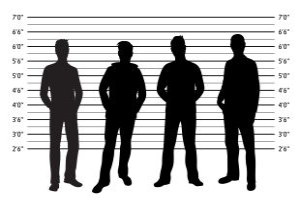
While lineups are intended to fairly test a witness's memory, decades of research and court decisions show they are often unreliable and highly vulnerable to manipulation.
Because mistaken identification is a leading cause of wrongful convictions, California law now imposes strict constitutional and statutory rules governing the conduct of police lineups.
Below is a comprehensive explanation of how police lineups work in California—and how they can be challenged.
What Is a Police Lineup?
A police lineup is an identification procedure in which an eyewitness is asked to identify a suspect believed to have committed a crime. The goal is to determine whether the witness can identify the suspect solely from memory, not from suggestion.
If a witness identifies the suspect, prosecutors may rely heavily on that identification at trial—even when no physical evidence exists.
Types of Police Lineups in California
California law recognizes three main types of lineup procedures:
1. Live Lineups
The witness observes the suspect standing alongside several similar-looking individuals (referred to as “fillers”).
2. Photo Lineups
The witness is shown a series of photographs, one of which may be the suspect.
3. Showups
The witness is shown only the suspect, usually shortly after the alleged crime.
⚠️ Showups are considered the most suggestive and least reliable form of identification.
Why Eyewitness Identifications Are Often Unreliable
Human memory is not a video recording—it is reconstructive and highly influenced by suggestion. Courts now recognize that even confident eyewitnesses can be mistaken.
Common lineup practices that undermine reliability include:
-
One-person showups
-
Witness sees the suspect before describing them
-
Multiple witnesses viewing a lineup together
-
Officers subtly signaling who the suspect is
-
Officers confirming or validating an identification
-
Fillers who do not match the description
-
Only one or two fillers resemble the suspect
-
Suspect's photo placed prominently in a photo array
These practices can artificially inflate witness confidence, making mistaken identifications appear compelling to juries.
The Right to a Lawyer at Police Lineups
The U.S. Supreme Court ruled in United States v. Wade that a police lineup is a critical stage of prosecution, meaning a suspect has the right to counsel.
Having a lawyer present helps ensure:
-
Police follow fair procedures
-
Improper conduct is documented
-
Later motions to suppress identification evidence are supported
Why Police Lineups Must Be Fair Under the Constitution
The Fifth and Fourteenth Amendments guarantee due process of law, requiring that criminal investigations employ fundamentally fair procedures.
An identification obtained through an unduly suggestive lineup may violate due process and be excluded from evidence, even if the witness appears confident.
California Lineup Rules – Penal Code 859.7
California now provides stronger statutory protections than federal case law alone.
Under California Penal Code 859.7, police must follow strict rules, including:
-
Witness must describe the suspect before seeing the lineup
-
Fillers must resemble the witness's description
-
Each witness must view the lineup separately
-
The officer administering the lineup must be double-blind (does not know the suspect)
-
Witness must be told the suspect may not be present
-
Witness must be told the investigation continues regardless of identification
-
Only one suspect per lineup
-
No suggestive statements by officers
-
No validation of witness choice
-
Witness must state confidence level immediately
Failure to follow these rules can seriously undermine the prosecution's case.
Recording Requirement – Penal Code 859.7(11)
California law further requires:
“An electronic audio-visual recording of the lineup shall be made of the identification procedure.”
This recording often becomes critical evidence in defense, revealing subtle or overt violations that may not appear in police reports.
Suppressing Lineup Evidence – Penal Code 1538.5
If police violate constitutional or statutory lineup rules, your attorney may file a Penal Code 1538.5 motion to suppress the identification.
If the lineup evidence is excluded and insufficient evidence remains, counsel may then file a Penal Code 995 seeking dismissal of the charges.
Evans Lineup – A Defense Remedy
In Evans v. Superior Court, the California Supreme Court held that defendants may be entitled to a defense-requested lineup.
A court may order an Evans lineup when:
-
Identification is central to the prosecution's case, and
-
There is a reasonable likelihood of mistaken identification
Challenging an Unfair Police Lineup
Experienced defense counsel may challenge a lineup by arguing:
-
Police procedures were unduly suggestive
-
Witness identification was unreliable
-
Statutory requirements were violated
-
Constitutional due process was denied
In jury trials, attorneys often retain expert witnesses to explain why eyewitness identifications are scientifically unreliable.
Why Experienced Counsel Matters
Police and prosecutors understand how powerful eyewitness testimony can be—even when it is wrong. Successfully challenging a lineup requires:
-
Knowledge of constitutional law
-
Mastery of Penal Code 859.7 requirements
-
Skillful motion practice
-
Strategic use of expert testimony
Speak With a Los Angeles Criminal Defense Attorney
If your case involves eyewitness identification or a police lineup, your future may hinge on whether that evidence is excluded.
The criminal defense attorneys at Cron, Israels & Stark represent clients throughout Los Angeles County, Orange County, Ventura County, Riverside County, and San Bernardino County.
📞 Call (424) 372-3112 or contact us online to schedule a confidential consultation. Your best chance of excluding unreliable identification evidence is to engage experienced legal counsel from the outset.
Related Content: