
Health and Safety Code 11364: Possession of Drug Paraphernalia
Being stopped by law enforcement and found with a pipe, syringe, or other drug-related item can result in an immediate arrest under California Health and Safety Code 11364 HS.
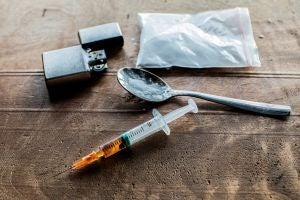
Although possessing drug paraphernalia is charged as a misdemeanor, it is a serious matter.
A conviction results in a permanent criminal record, possible jail time, and substantial harm to professional licenses and employment prospects.
If you or a loved one is charged under HS 11364, it is essential to understand the law, the applicable penalties, and possible legal defenses to safeguard your future.
Cron, Israels & Stark can help you. Schedule your consultation today at (424) 372-3112.
What is Considered "Drug Paraphernalia" Under HS 11364?
California law broadly defines drug paraphernalia as any object, instrument, device, or contrivance used for illegally injecting, smoking, or consuming a controlled substance.
Typical items prosecuted under HS 11364 include:
-
Pipes (glass, metal, ceramic, or wooden) are used for smoking methamphetamine, crack cocaine, or opium.
-
Miniature cocaine spoons and vials.
-
Needles and syringes (subject to strict public health exemptions outlined below).
-
Bongs, water pipes, or puncture-designed aluminum foil are used to inhale illicit vapors.
⚠️ Important Exclusions: Marijuana and Sales Equipment
-
Marijuana Paraphernalia: Following cannabis legalization in California, items used solely for consuming marijuana (like weed pipes, bongs, or rolling papers) are completely exempt from HS 11364.
-
Sales and Manufacturing Equipment: Items like digital scales, small plastic baggies, blenders, and capsules are not covered under HS 11364. However, owning these items may still lead to much more serious charges, such as possession with intent to sell (HS 11351) or manufacturing controlled substances (HS 11379).
What the Prosecution Must Prove (Elements of the Crime)
To secure a conviction for an HS 11364 violation, a California prosecutor must establish three distinct facts beyond a reasonable doubt:
-
Control/Possession: You exercised control over the object, which can be either actual possession—such as holding it on your person or in your pocket—or constructive possession, meaning the item was inside your car's glove box, your bedroom, or an area you control.
-
Knowledge of Presence: You were actively aware that the item was there.
-
Knowledge of Purpose: You knew that the item was specifically designed or meant for consuming illegal drugs.
Note: The item does not have to contain active drug residue to result in a charge. However, if police find a usable amount of a controlled substance inside or with the item, you will be charged with possession of a controlled substance (HS 11350).
Penalties for a Paraphernalia Conviction in California
Having drug paraphernalia is considered a misdemeanor. Conviction can result in penalties such as:
|
Penalty Type |
Maximum Consequence |
| Jail Time | Up to 6 months in a county jail |
| Fines | Up to $1,000 (plus substantial court assessments) |
| Probation | Informational summary probation (up to 1 to 3 years) |
| Seizure | Forfeiture and destruction of the object by the state |
Collateral Consequences
Besides court-mandated penalties, an HS 11364 conviction also involves hidden dangers:
-
Professional Licenses: A conviction may lead to the suspension or denial of professional licenses for teachers, nurses, real estate agents, contractors, and attorneys.
-
Immigration Status: Drug-related offenses are especially serious under federal immigration law, and non-citizens may be at risk of deportation or being denied naturalization.
Legal Exemptions: Clean Needle & Syringe Laws
California law contains explicit exceptions to reduce the spread of bloodborne diseases (like HIV and Hepatitis C). Under current statutes:
-
Authorized Sources: Adults aged 18 or older can legally possess hypodermic needles and syringes if they acquire them from a doctor, pharmacist, or authorized needle exchange program for personal use.
-
Testing Equipment Exemption: Testing equipment, like fentanyl testing strips, used to assess a drug's strength, effectiveness, or purity, is explicitly excluded from the definition of illegal paraphernalia under public health safety expansions.
Strategic Legal Defenses Against HS 11364 Charges
A qualified criminal defense lawyer in California can assess the specifics of your arrest to develop a defense plan focused on reducing or dismissing your charges. Typical strategies include:
1. Lack of Knowledge
If you were unaware that the item was nearby, you cannot be convicted. For instance, if you borrowed a friend's car or jacket and law enforcement found a pipe that belonged to the actual owner, your lawyer could argue that you lacked knowledge.
2. The Item Was Not Paraphernalia
Many common objects can look like drug paraphernalia. For example, a pipe used solely for legal tobacco or small spoons meant for cooking or art do not violate HS 11364 unless the state can show intent or find illegal chemical traces.
3. Lack of Possession (Shared Spaces)
If the paraphernalia was discovered in a common area of a shared apartment or in a vehicle used by several people, the prosecution might not be able to demonstrate that you personally had control of the item.
4. Unlawful Search and Seizure
Your Fourth Amendment rights shield you from unlawful police actions. If law enforcement searches your vehicle, home, or person without a proper warrant, consent, or probable cause, any items they find are deemed "fruit of the poisonous tree."
Your attorney can file a Motion to Suppress Evidence (Penal Code 1538.5 PC), which often forces the prosecution to drop the case.
Alternative Sentencing: Avoiding Jail Through Diversion
For many individuals charged with a standalone misdemeanor paraphernalia offense, California law emphasizes rehabilitation rather than incarceration.
If you are a non-violent offender, your defense attorney can advocate for alternative sentencing options, such as:
-
PC 1000 (Deferred Entry of Judgment): You plead guilty, but the judge postpones sentencing until you finish a court-approved drug education or rehabilitation program. If you successfully complete it, your charges are completely dismissed.
-
Proposition 36: Enables individuals convicted of non-violent drug possession to undergo treatment-based probation instead of spending time in county jail.
Once your case is dismissed via a drug diversion program or if you complete probation successfully, you may be eligible to clear your record permanently through a California expungement (Penal Code § 1203.4 PC).
Talk to a California Criminal Defense Attorney Today
Don't let a misdemeanor drug paraphernalia charge determine your future, affect your job prospects, or lead to jail.
Since local courts vary in how they handle HS 11364 charges by county, having a knowledgeable advocate familiar with local prosecutorial policies can be extremely helpful.
The Los Angeles-based criminal defense attorneys at Cron, Israels & Stark are here to help you. Schedule your consultation today.