
Yes. A driver in California can be arrested and criminally charged for hitting a protester, depending on the circumstances, intent, and resulting injuries.
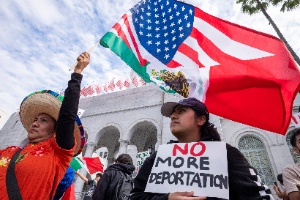
Protests in densely populated urban centers like Los Angeles often spill onto streets and intersections, and tensions can escalate quickly when drivers encounter demonstrators blocking traffic.
Whether a driver faces criminal liability depends on key factors such as whether the act was intentional or reckless, if injuries occurred, whether the driver fled the scene, and whether bias or targeted intent was involved.
Prosecutors in California have broad discretion in filing charges following these high-profile incidents.
What Determines Whether a Driver Will Be Charged?
Law enforcement and prosecutors meticulously evaluate video footage, eyewitness accounts, driving behavior, and pre- or post-incident statements.
Intent is often the most critical issue: an intentional act can result in severe felony charges, a reckless act still triggers criminal liability, and even negligent conduct can lead to prosecution if someone is injured or killed.
Even if protesters were blocking a roadway unlawfully, drivers do not have legal authority to use their vehicles as a weapon to clear the path. Intentionally striking demonstrators can quickly lead to major felony charges.
Common Criminal Charges for Hitting a Protester
Depending on the evidence, drivers may face a wide array of state charges:
-
Assault with a Deadly Weapon (PC 245(a)(1)): A vehicle can be legally classified as a deadly weapon if used to strike someone, carrying 2 to 4 years in state prison. Physical contact isn't even required; an attempt can be enough.
-
Attempted Murder (PC 664/187): If prosecutors believe a driver deliberately accelerated into a crowd with intent to kill, charges can carry life imprisonment.
-
Attempted Voluntary Manslaughter (PC 664/192(a)): Applies when a driver acts out of sudden panic or emotional distress without premeditated intent, carrying up to 5 years in prison.
-
Battery Causing Serious Bodily Injury (PC 243(d)): Applies when willful force causes significant injury, carrying 2 to 4 years in prison.
-
Reckless Driving Causing Injury (VC 23104): Charged when prosecutors cannot prove intent but can show reckless disregard for safety, carrying up to 6 months in jail.
-
Hit and Run (VC 20001): Leaving the scene of an injury accident can add up to 4 years in prison.
-
Vehicular Manslaughter (PC 192(c)): Applies if a protester dies due to ordinary or gross negligence, carrying up to 6 years in prison.
-
Hate Crime Enhancements (PC 422.55/422.75): Can add years to a sentence if prosecutors prove the driver targeted victims based on race, religion, political beliefs, or sexual orientation.
Can a Driver Claim Self-Defense?
Self-defense or necessity may apply in rare scenarios—such as if a driver reasonably believed they were in imminent danger of bodily harm, the force used was proportional, and there was no safe alternative to escape a violent mob attacking the vehicle.
However, simply driving into a crowd out of frustration or impatience completely invalidates self-defense claims.
Frequently Asked Questions (FAQs)
Can a driver be arrested even if hitting a protester was accidental?
Yes. If law enforcement determines that a driver acted with criminal negligence or extreme recklessness (such as speeding through a crowd or distracted driving), they can be arrested and prosecuted regardless of whether the impact was premeditated.
What if the driver panicked when surrounded by demonstrators?
Panic may sometimes be used by a defense attorney to argue against charges requiring specific intent to kill (like attempted murder), but panic does not eliminate criminal liability for reckless driving, assault, or manslaughter.
Does remaining at the scene prevent a driver from being charged?
Staying at the scene prevents additional hit-and-run charges under California Vehicle Code 20001, but it does not protect the driver from facing serious assault, battery, or vehicular manslaughter charges if injuries occurred.
How does video footage impact these criminal cases?
Surveillance cameras, police dashcams, smartphone recordings, and social media videos are often definitive evidence prosecutors use to evaluate vehicle speed, braking attempts, steering direction, and driver intent.
Can protesters' unlawful presence excuse a driver's actions?
No. While blocking traffic may violate civil or traffic codes, pedestrians never forfeit their right to physical safety. A motorist is legally prohibited from using a vehicle to push through, intimidate, or strike demonstrators.
If you're facing a serious criminal investigation, an experienced criminal defense attorney at Cron, Israels & Stark in Los Angeles can help you pursue the best possible outcome. To arrange a confidential consultation, call (424) 372-3112 or use the online contact form.
