
California Penal Code 18710 PC makes it a serious felony offense to own, possess, or control any destructive device or explosive material without express legal authorization.
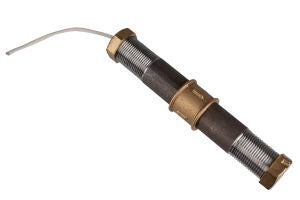
In Los Angeles and throughout Southern California, prosecutors and law enforcement agencies aggressively pursue destructive device allegations due to public safety concerns and severe legislative crackdowns on explosive materials.
Legal Definition and Statutory Text
Under California Penal Code 18710 PC:
"Any person, firm, association, or corporation that, within this state, possesses any destructive device, other than fixed ammunition of a caliber greater than .60 caliber, except as otherwise authorized by law, is guilty of a public offense."
Key Statutory Definitions
-
Destructive Device: Any bomb, grenade, explosive missile, rocket-propelled device, incendiary device, Molotov cocktail, or pipe bomb defined under California Penal Code 16460.
-
Knowing Possession: The legal requirement that the defendant was consciously aware of the presence, nature, and character of the destructive device or explosive material.
-
Actual or Constructive Control: Actual possession places the device directly on your person or within immediate physical reach, whereas constructive possession means you exercise control or dominion over the location where the device is stored (such as a bedroom, vehicle, or locker).
What Must Be Proven to Convict Under PC 18710?
To secure a conviction under Penal Code 18710, the prosecution must establish the following legal elements beyond a reasonable doubt:
-
Possession or Control: You knowingly possessed, owned, or maintained control over a destructive device or explosive.
-
Statutory Classification: The item in question legally meets California's statutory definition of a destructive device or prohibited explosive.
-
Lack of Authorization: You lacked lawful permits, licenses, or authorization to possess the device (such as military or authorized demolition exemptions).
Hypothetical Examples
-
Example 1: Law enforcement executes a residential search warrant and uncovers a homemade pipe bomb hidden in a bedroom closet, leading to an immediate arrest and felony charge under PC 18710.
-
Example 2: Investigators conducting a vehicle search discover an improvised explosive device stored in the trunk, triggering prosecution for unlawful vehicle possession of explosives.
-
Example 3: An individual collects military-grade surplus ordnance or incendiary materials without proper licensing, resulting in criminal allegations for possessing prohibited explosive items.
Related California Crimes
Understanding related offenses is critical because prosecutors frequently file multiple interconnected explosives charges or enhancements stemming from the same investigation.
-
California Penal Code 16460 PC (Definition of Destructive Device): Provides the comprehensive statutory framework and baseline definitions for all explosive weapons prosecuted in California courts.
-
California Penal Code 18715 PC (Possession of Materials to Make a Destructive Device): Criminalizes possessing raw components or bomb-making substances with intent to manufacture explosive weapons.
-
California Penal Code 18720 PC (Manufacturing a Destructive Device): Prohibits the actual assembly or construction of destructive devices and explosives.
-
California Penal Code 18725 PC (Possession with Intent to Injure or Destroy): Imposes enhanced penalties for possessing destructive devices specifically to harm people or damage property.
Potential Penalties and Sentencing
Violations of Penal Code 18710 are strictly prosecuted as wobblers or straight felonies carrying severe, life-altering consequences:
|
Category |
Primary Penalties |
Collateral Consequences |
| Incarceration | Felony state prison sentences (up to 3, 2, or 1 years, or extended terms depending on case specifics) | A permanent criminal record can impact employment opportunities, background checks, and housing options. |
| Fines & Fees | Substantial court-imposed fines up to $10,000 | Forfeiture of seized weapons, explosives, and personal property for lifetime, including confiscation. |
| Probation & Rights | Formal felony probation with strict search and monitoring conditions | Permanent lifetime loss of firearm ownership, possession, and ammunition rights |
Legal Defenses to PC 18710 Charges
An experienced criminal defense attorney can build a robust defense using several established legal strategies:
-
Lack of Knowledge: Establishing that you were unaware the destructive device was present, which may have been left by another occupant, guest, or roommate.
-
Statutory Misclassification: Proving that the recovered object does not legally meet the technical criteria of a destructive device under California law.
-
Illegal Search and Seizure: If law enforcement officers discovered the device during an unconstitutional traffic stop, warrantless search, or invalid warrant execution, your attorney can file a suppression motion under Penal Code 1538.5.
-
Authorized Possession: Demonstrating that the defendant held valid legal licensing, military exemptions, or professional clearance permitting possession under narrow statutory exceptions.
Frequently Asked Questions (FAQs)
What classifies as a destructive device under California law?
California law broadly defines destructive devices to include bombs, grenades, explosive missiles, rocket-propelled devices, incendiary weapons, Molotov cocktails, and pipe bombs.
Is possession of a destructive device always charged as a felony?
Yes. Violations of PC 18710 are prosecuted as serious felony offenses carrying potential state prison sentences.
Can homemade explosive devices lead to criminal charges?
Yes. Homemade bombs, improvised explosive devices, and experimental pipe bombs fall directly under the prohibition of Penal Code 18710.
Can explosive evidence be suppressed if police violated my constitutional rights?
Yes. If your attorney successfully proves that law enforcement conducted an unlawful search or seizure in violation of the Fourth Amendment, the court may suppress the evidence, leading to case dismissal.
Can an explosive conviction impact immigration status?
Yes. Explosive and weapons-related felony convictions trigger severe immigration consequences, including mandatory deportation proceedings, visa revocation, and permanent inadmissibility.
Los Angeles Destructive Device Defense Representation
Facing charges under Penal Code 18710 requires immediate, sophisticated legal intervention.
The defense team at Cron, Israels & Stark thoroughly examines forensic evidence, challenges unlawful police searches, and fights to protect your constitutional rights throughout Southern California. Contact our office today for a confidential case evaluation.
