
Preliminary hearings and grand juries, two distinct procedures in the California criminal justice system, both lead to the same outcome: the filing of formal criminal charges.
However, their unique features, such as the right to attend with your lawyer in a preliminary hearing and the secrecy of a grand jury, set them apart in a significant way.
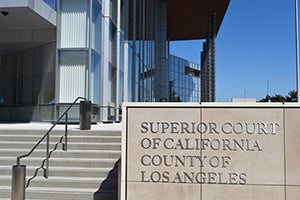
A preliminary hearing is an open court proceeding in which you have the right to attend with your lawyer. A grand jury is a secret proceeding that neither you nor your lawyer is allowed to attend.
Notably, many people believe the police bring charges when they arrest you, but this is a common myth. Instead, you are actually charged with a crime until a judge finds probable cause at a preliminary hearing or a grand jury issues a True Bill.
It's important to note that only the prosecutor has the authority to decide whether to proceed with a preliminary hearing or to indict before a grand jury.
As the entity bringing charges, the prosecution holds the right to determine the method of charge acquisition, a significant responsibility in the criminal justice system that should not be underestimated.
Simply put, in California, felony charges are brought against an individual in one of two ways: through a preliminary hearing or by a grand jury. Both processes are designed to determine whether there is probable cause to bring felony charges against you.
What is a Preliminary Hearing?
At a preliminary hearing, the prosecution presents evidence, most likely through live testimony from one of the arresting officers, with the goal of demonstrating to the judge that there is “probable cause” that a crime was committed and that the defendant committed it.
Probable cause is an amount of evidence, far less than proof beyond a reasonable doubt. Because the standard of proof is much lower at a preliminary hearing, the rules of evidence are relaxed. This means that the prosecutor only has to show that a crime might have been committed, possibly by you, which is a very low burden and relatively easy for the prosecutor to do.
The prosecutor only has to show that a crime might have been committed, possibly by you. That is a very low burden and relatively easy for the prosecutor to do.
Your lawyer has the right to cross-examine the officer with the goal of finding holes in the prosecution's case. Despite your lawyer's best efforts, nearly every preliminary hearing will end in a judge finding probable cause.
If the judge finds probable cause, the state will file an “information,” a formal document that officially charges you and outlines the specific criminal statutes you are accused of violating. Your legal representation is not just crucial, it's your anchor in this process, providing you with the necessary support and guidance to navigate the complexities of the law.
What is a Grand Jury?
Another avenue for formal criminal charges is through a grand jury, a process that unfolds outside the public eye. The grand jury, a group of citizens, convenes to determine whether there is sufficient evidence to bring charges against a potential defendant.
At the grand jury proceeding, the prosecutor will present evidence in the form of live testimony.. The grand jury consists of at members of the general public who listen to the testimony and can ask questions if they like to determine whether there is probable cause that a crime was committed and that you might have committed it.

The prosecution has no obligation to present evidence that is favorable to you and will tend to hurt its case. After the prosecution finishes presenting its witnesses, the grand jury deliberates in secret to determine whether there is sufficient evidence to proceed.
This confidentiality is intended to protect the reputations of individuals who may ultimately not be charged, as well as to safeguard witnesses and the integrity of ongoing investigations.
If they agree, they will deliver a “true bill” – the legal phrase that means the grand jury finds there is probable cause and an Indictment should be filed. The grand jury process is private. Defendants and their attorneys generally do not participate.
This secrecy is intended to protect the reputations of individuals who may ultimately not be charged, as well as to safeguard witnesses and the integrity of ongoing investigations.
Key Takeaways
- A grand jury is a group of citizens convened to determine whether charges should be brought against a potential defendant.
- A preliminary hearing is a proceeding held before a judge who decides if there is sufficient probable cause to file charges.
- Both the grand jury and preliminary hearing processes aim to determine whether there is sufficient evidence.
- Probable cause is a state of facts as would lead a man of ordinary care and prudence to believe and conscientiously entertain an honest and strong suspicion that the person is guilty of a crime.
- One of the most significant differences between a grand jury and a preliminary hearing is the level of transparency.
- A grand jury proceeding occurs before formal charges are brought against the defendant.
- Once the charges are filed, the court schedules a preliminary hearing to determine if the case should proceed to trial.
- Since the grand jury only hears from the prosecutor, it is a one-sided presentation.
- Unlike the grand jury process, a preliminary hearing typically presents a more balanced and fair presentation of evidence. This fairness in the process can instill confidence in the legal system and ensure that your rights are protected.
Why You Need a Defense Attorney
California law allows for felony charges to be initiated either through a grand jury indictment or after a preliminary hearing. Most felony charges in California are initiated through preliminary hearings.
This process is more common because it aligns with the public's interest in transparency and fairness. It allows for thorough legal scrutiny of charges before proceeding to trial.
Grand juries are far less common in California state courts. They are generally reserved for cases with unique circumstances, such as high-profile cases involving significant public interest, such as those against public officials or high-profile defendants, which are often routed through grand juries to ensure confidentiality.
Grand juries are also used when children or other vulnerable witnesses are involved. A grand jury can spare them from having to testify under the pressure of cross-examination in a public courtroom. This aspect of the grand jury process is not just a legal procedure; it's a compassionate measure to protect the vulnerable and should be understood with empathy and compassion.
For more information, contact our criminal defense law firm, Cron, Israels & Stark, located in Los Angeles, CA.
Related Content:
