
California enforces strict regulations on the secondhand goods market to maintain business integrity and prevent stolen property from being fenced.
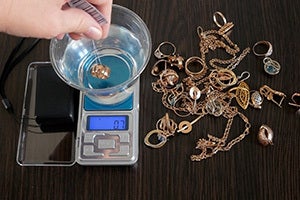
Under Business & Professions Code 21628 BPC, it is a criminal offense for a pawnbroker, secondhand dealer, or coin dealer to knowingly fail to comply with state-mandated reporting requirements for property that is bought, traded, or received.
Since pawnshops and precious metal dealers often manage large amounts of used inventory, California law requires them to report their transactions to law enforcement daily.
Failing to do so is a misdemeanor, which can result in jail time, heavy fines, and possible loss of your business license.
If your commercial enterprise is facing an administrative audit, local police investigation, or criminal charges under BPC 21628 in Southern California, the defense firm of Cron, Israels & Stark is ready to protect your livelihood and corporate reputation.
To schedule a consultation, call (424) 372-3112 or use the contact form here.
Quick Reference Summary: BPC 21628
|
Key Element |
Statutory Parameters & Compliance Metrics |
| Statute | California Business & Professions Code Section 21628 (BPC) |
| Case Classification | Criminal Misdemeanor |
| Maximum Penalties | Up to 2 to 6 months in a county jail and tiered fines up to $25,000 |
| Reporting System | California Pawn and Secondhand Dealer System (CAPSS) |
| Submission Deadline | Daily, or no later than the next business day (excluding weekends/holidays) |
| Record Retention | Transaction data and seller certifications must be maintained for 3 years |
| Top Legal Defenses | Clerical or software error, CAPSS system outage, lack of willful intent |
Who Is Required to Report Under California Law?
The daily tracking requirements specified in BPC 21628 do not apply to typical retail merchants. Instead, they are only applicable to individuals and businesses that meet the legal definitions outlined in BPC 21626.
-
Secondhand Dealers: Any individual, company, partnership, or corporation involved in buying, selling, trading, pawning, accepting for sale on consignment, or auctioning secondhand tangible personal property.
-
Coin Dealers: Any person or organization primarily engaged in buying, selling, and trading coins, bullion, or commercial-grade ingots of gold, silver, or other precious metals.
The Statutory Language: BPC 21628
The operational text of Business and Professions Code Section 21628(a) states:
"Every secondhand dealer or coin dealer described in Section 21626 shall report daily, or no later than the next business day excluding weekends and holidays after receipt or purchase of secondhand tangible personal property, to the California Pawn and Secondhand Dealer System (CAPSS), all secondhand tangible personal property, except for firearms, which they have purchased, taken in trade, taken in pawn, accepted for sale on consignment, or accepted for auction..."
Critical Item Discrepancies
-
Tangible Personal Property: Includes jewelry, electronics, power tools, musical instruments, and precious metals.
-
Firearms Exclusion: Firearms are explicitly excluded from BPC 21628 reporting because gun transactions are recorded in separate, specialized federal and state law enforcement databases.
Mandatory Reporting Criteria: What Must Be Collected?
To meet legal requirements, your CAPSS submission—whether automated or manual—must be very detailed, clear, and fully in English. The state mandates a detailed breakdown of both the asset and the person supplying it.
1. Detailed Property Descriptions
You need to offer a thorough and fairly precise description of the property, including:
-
Serial numbers and brand names of manufacturers.
-
Model names or numbers.
-
Owner-applied numbers, personalized inscriptions, engravings, or unique symbols.
-
The physical size, color, and underlying material (e.g., 14k yellow gold).
-
The manufacturer's specific pattern name, if known.
2. Seller Verification & Identity Logs
Pawnbrokers must verify and store the identity of the intended seller or pledger. This identification data must be maintained for a minimum of three years and requires:
-
Verification of a valid, government-issued photo ID (such as a U.S. passport or driver's license issued within the past 5 years).
-
A legible fingerprint taken from the seller, adhering to Department of Justice guidelines.
-
A signed certification from the seller stating under penalty of perjury that they are the rightful owner of the property or possess legal authority to sell it.
What the Prosecution Must Prove to Convict
To obtain a misdemeanor conviction under BPC 21628, the prosecution must prove four separate elements beyond a reasonable doubt.
-
Status as a Covered Dealer: You operated as a legally recognized pawnbroker, secondhand dealer, or coin dealer in California.
-
Receipt of Inventory: You acquired, traded, consigned, or pawned an item that qualifies as secondhand tangible personal property.
-
Failure to Transmit: You did not submit the transactional data to CAPSS within the required daily or next-business-day deadline.
-
Willful Conduct: You intentionally left out the information. Negligent oversights or technical failures—where the person did not deliberately try to bypass the system—are protected from criminal charges.
Real-World Examples of Reporting Violations
Example 1: Off-the-Books Cash Deal (Willful Violation)
The Los Angeles pawnshop owner is approached by someone selling three luxury designer watches. The seller clearly mentions he will accept a low cash offer if the deal remains "off the books." The owner then purchases the watches, immediately places them in a rear display case, and deliberately does not record them in CAPSS. This is a direct, intentional violation of BPC 21628.
Example 2: Incomplete Data Field Entries (Technical Non-Compliance)
A secondhand electronics store purchases a laptop. The employee on duty fills out the CAPSS submission form but forgets to look for or enter the serial number stamped on the bottom of the chassis. Even if a report is filed, not providing a "complete and reasonably accurate description" when the information is visible can lead to a statutory citation.
Example 3: Server Outage (The Technical Exception)
A licensed coin dealer handles twelve gold bullion transactions on a Thursday afternoon. During an attempt to batch-upload the files to CAPSS, the state's electronic database experiences a major infrastructure outage, blocking the transmission. The dealer records the error, takes screenshots of the system failure, and submits the data once the connection is restored. Since the failure was unintentional and caused by external factors, no crime took place.
Fines and Criminal Penalties
Violating BPC 21628 is considered a misdemeanor. California has a tiered penalty system that escalates significantly for repeat offenders.
-
First-Time Offense: Up to 2 months in a county jail and court fines reaching $1,500.
-
Second Offense: Up to 4 months in a county jail and statutory fines up to $5,000.
-
Third or Subsequent Offense: Up to 6 months in a county jail and administrative criminal fines up to $25,000.
The Ultimate Operational Threat: Besides jail time and fines, a conviction under BPC 21628 allows the local police or licensing board to suspend or revoke your secondhand dealer license, potentially shutting down your business.
Related California Offenses
-
Receiving Stolen Property — Penal Code 496(a) PC: If a pawnbroker purchases or acquires property they know—or should have known—was stolen, prosecutors can bypass BPC regulatory codes and pursue a theft charge. When the item's value exceeds $950, it becomes a felony, punishable by up to 3 years in jail and a fine of up to $10,000.
-
Manufacturing Deceptive ID Documents — Business & Professions Code 22430 BPC: Creating or distributing fake identification is illegal. If a dealer knowingly accepts or assists with the use of falsified driver's licenses to conceal a seller's real identity, they can be prosecuted separately under this law.
Proven Defense Strategies Against Failure to Report Charges
Dealing with regulatory scrutiny can be daunting, but a skilled defense lawyer can employ a range of legal tactics to safeguard your corporate reputation.
Absence of Criminal Intent (Lack of Knowledge)
The statute requires that a dealer knowingly fail to comply. If an associate or newly hired worker neglected a reporting checklist without your explicit authorization or knowledge, your attorney can demonstrate a lack of corporate intent, steering the issue away from criminal prosecution and toward internal administrative correction.
Documented System Malfunctions or IT Glitches
If your shop was hit by localized internet dropouts, power failures, or documented CAPSS portal software crashes, our legal team can secure your local router logs and external tech diagnostics to prove that compliance was physically impossible due to factors outside your control.
Clerical vs. Criminal Omission
Discrepancies often occur in busy storefronts. If a serial number digit is accidentally transposed (for example, typing an "8" instead of a "B"), we can showcase your consistent accurate auditing history to suggest that the mistake was a minor clerical error rather than an intentional effort to conceal inventory from law enforcement.
Frequently Asked Questions (FAQs)
What exactly is CAPSS, and how does it affect my pawn shop?
CAPSS, which stands for the California Pawn and Secondhand Dealer System, is a centralized electronic database overseen by the California Department of Justice. It enables law enforcement throughout California to quickly cross-check pawn shop purchases with current property theft reports in real time.
Do I have to report items traded on weekends?
BPC 21628 mandates daily reporting or submission "no later than the next business day." The law clearly excludes weekends and national holidays from this deadline. Consequently, if you receive an item on Saturday afternoon, you have until Monday to submit it within the regulatory window.
Can I be prosecuted if I accidentally buy a stolen item but report it perfectly?
No. Purchasing an item that turns out to be stolen does not violate BPC 21628, as long as you exercised due diligence, obtained accurate seller identification, and submitted the complete property description to CAPSS on time. In fact, following these steps perfectly shields you from stolen property charges because it demonstrates you had no intent to conceal anything.
Schedule a Consultation with a California Corporate Defense Firm
Don't jeopardize your business, financial stability, or personal freedom by neglecting an administrative violation or police investigation.
The defense attorneys at Cron, Israels & Stark have experience defending businesses, licensed professionals, and commercial operators in Los Angeles, Orange, and Riverside County courts.
Contact our Los Angeles headquarters today at (424) 372-3112 to discuss your legal options during a fully confidential case evaluation.
