
California Penal Code 16590 PC - Generally Prohibited Weapons Law Explained
Under California Penal Code 16590 PC, it is illegal to manufacture, import, sell, give, lend, or possess specific dangerous weapons classified as generally prohibited weapons.
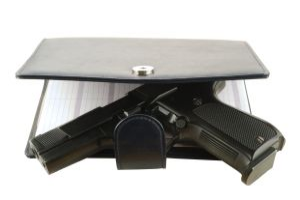
California enforces some of the strictest weapons laws in the United States, outlawing an array of items—ranging from concealed explosives and brass knuckles to certain knives and modified firearms—regardless of whether the possessor intended to use them for a violent purpose.
Understanding PC 16590, its statutory language, associated penalties, and legal defense strategies is essential if you or a loved one faces charges involving prohibited weapons in California.
What Is the Statutory Language of PC 16590?
California Penal Code Section 16590 PC serves as an overarching statute that consolidated dozens of individual prohibited weapons laws into a single master index under the California Deadly Weapons Recodification Act:
As used in this part, "generally prohibited weapon" means any of the following:
(a) An air gauge knife, as defined in Section 16140.
(b) Ammunition that contains or consists of any flechette dart, as defined in Section 16570.
(c) A ballistic knife, as defined in Section 16220.
(d) A belt buckle knife, as defined in Section 16260.
(e) Lead-filled cane, or any strap, baton, or whistle studded with metal, as prohibited by Section 22210.
(f) A cane sword, as defined in Section 16340.
(g) A concealed explosive substance, other than fixed ammunition, as prohibited by Section 19100.
(h) A firearm that is not immediately recognizable as a firearm, as defined in Section 16580.
(i) A camouflaging firearm container, as defined in Section 16320.
(j) A cane gun, as defined in Section 16330.
(k) A wallet gun, as defined in Section 17330.
(l) Undetectable firearms, as defined in Section 17280.
(m) A short-barreled rifle or short-barreled shotgun, as defined in Section 17170 and 17180.
(n) Metal knuckles, as defined in Section 16920.
(o) A nunchaku, as defined in Section 16940.
(p) A shuriken, as defined in Section 17200.
(q) A zip gun, as defined in Section 17360.
(r) An unconventional pistol, as defined in Section 17270.
(s) A lipstick case knife, as defined in Section 16830.
(t) A writing pen knife, as defined in Section 17350.
(u) A shobi-zue, as defined in Section 17160.
(v) A display of martial arts weapons prohibited by Section 22410.
(w) A brass metal replica or antique cannon, as prohibited by Section 21510.
What Are Key Statutory Definitions Under PC 16590?
To understand how California enforces weapon bans, it is necessary to examine key statutory definitions referenced within Penal Code 16590 PC:
1. Generally Prohibited Weapon
A generally prohibited weapon refers to any item specifically listed in Penal Code 16590 PC. The California Legislature deems these items inherently dangerous or deceptive, so mere possession typically warrants criminal charges.
2. Metal Knuckles (Penal Code 16920 PC)
Metal knuckles (commonly called brass knuckles) are defined as any device or instrument made wholly or in part from metal, plastic, or composite materials designed to fit over the fingers, knuckles, or wrist to increase the force of an impact.
3. Short-Barreled Rifle or Shotgun (Penal Code 17170 / 17180 PC)
A short-barreled rifle is a firearm having a barrel length of less than 16 inches or an overall length of less than 26 inches. A short-barreled shotgun has a barrel length of less than 18 inches or an overall length of less than 26 inches.
4. Nunchaku (Penal Code 16940 PC)
A nunchaku is an instrument consisting of two or more sticks, bars, rods, or illuminated tubes connected by a rope, cord, wire, or chain and used in martial arts practice.
5. Concealed Explosive Substance (Penal Code 19100 PC)
Any explosive substance carried concealed upon the person, other than standard fixed ammunition, is classified as a generally prohibited weapon under PC 16590.
What Must Prosecutors Prove to Convict You Under PC 16590?
To secure a conviction for possessing or manufacturing a prohibited weapon under California Penal Code 16590 PC, the prosecution must prove the following elements of the crime beyond a reasonable doubt:
-
Manufacture, Import, Sale, or Possession: The defendant manufactured, imported into California, kept for sale, offered for sale, gave, lent, or possessed a generally prohibited weapon.
-
Identity of the Item: The item in question meets the statutory definition of one of the weapons specified in Penal Code 16590 PC.
-
Knowledge of the Weapon's Character: The defendant knew that they possessed, imported, or manufactured the item and knew that the item had characteristics that brought it within the definition of a prohibited weapon.
Note: Prosecutors are not required to prove that the defendant intended to use the weapon to cause injury, commit a crime, or threaten another person.
What Are the Penalties for Violating Penal Code 16590 PC?
Violating Penal Code 16590 PC is a wobbler in California law, meaning prosecutors can charge the offense as either a misdemeanor or a felony, depending on the defendant's criminal history and the circumstances of the case.
|
Charge Level |
Maximum Jail or Prison Sentence |
Maximum Monetary Fine & Probation |
| Misdemeanor | Up to 1 year in county jail | Up to $1,000 fine and summary (informal) probation |
| Felony | 16 months, 2 years, or 3 years in county jail | Up to $10,000 fine and formal probation |
Factors Influencing Felony vs. Misdemeanor Charges
-
Prior criminal record or past weapon convictions
-
Gang affiliation or connection to active street gang activity
-
Simultaneous commission of another crime (e.g., drug possession or burglary)
-
The specific type of weapon involved (e.g., explosives or modified firearms vs. martial arts items)
What Are Common Legal Defense Strategies for PC 16590 Charges?
An experienced California criminal defense attorney can employ several effective legal strategies to defend against Penal Code 16590 PC allegations:
-
Lack of Knowledge: Demonstrating that you did not know the item was in your possession or were unaware that an object possessed characteristics of a prohibited weapon (e.g., unaware a walking cane contained a hidden blade).
-
Item Does Not Meet Statutory Definition: Argument that the seized object does not satisfy the precise legal definition of a prohibited item listed under PC 16590.
-
Unlawful Search and Seizure: Filing a motion to suppress evidence under Penal Code 1538.5 PC if police found the weapon during an illegal stop, search without a warrant, or search exceeding warrant scope.
-
Statutory Exemptions: Showing that you fall into a legally protected class, such as law enforcement personnel, museum curators, licensed antique dealers, or martial arts schools operating under narrow legal exemptions.
-
Involuntary Possession: Proving the item was planted on you or placed in your vehicle without your consent.
What Is a Hypothetical Example of a PC 16590 Violation?
To better understand how California Penal Code 16590 PC applies in real life, consider the following scenario:
Scenario: Marcus purchases a custom-made belt buckle at an outdoor flea market in Los Angeles. Unbeknownst to Marcus, removing the buckle from its frame exposes a hidden 3-inch fixed knife blade, making it a "belt buckle knife" under Penal Code 16260 PC. During a routine traffic stop for a broken taillight, an officer observes the buckle, recognizes its design, and discovers the concealed blade. Marcus is arrested for possessing a prohibited weapon under Penal Code 16590 PC.
Legal Outcome: Marcus's criminal defense attorney presents evidence that the buckle was sold as decorative attire and that Marcus had never detached the buckle to expose or use the blade. Because the prosecution must prove Marcus knew the buckle had characteristics that made it a hidden knife, his defense attorney successfully argues he lacked knowledge, leading the prosecutor to drop the criminal charges.
What Are Other California Weapons Laws Related to PC 16590?
Understanding related California weapons statutes is critical because firearms and weapons charges are frequently filed together by prosecutors to increase potential penalties.
-
California Penal Code 25400 PC (Carrying a Concealed Firearm): Makes it a crime to carry a concealed firearm on your person or inside a vehicle without a valid concealed carry permit.
-
California Penal Code 25850 PC (Carrying a Loaded Firearm in Public): Prohibits carrying a loaded firearm on your person or in a vehicle in any public place or on any public street in an incorporated city.
-
California Penal Code 417 PC (Brandishing a Weapon): Makes it illegal to draw, exhibit, or brandish a deadly weapon or firearm in a rude, angry, or threatening manner.
-
California Penal Code 30600 PC (Assault Weapons Ban): Bans the manufacture, distribution, transportation, importation, or sale of defined assault weapons and .50 BMG rifles in California.
-
California Penal Code 29800 PC (Felon in Possession of a Firearm): Prohibits anyone convicted of a felony or certain specific misdemeanors from owning, purchasing, or possessing a firearm.
-
California Penal Code 245(a)(1) PC (Assault with a Deadly Weapon): Makes it a felony or misdemeanor to attack or attempt to attack another person using a deadly weapon other than a firearm or using force likely to produce great bodily injury.
Frequently Asked Questions (FAQs)
Is it legal to own brass knuckles in California for self-defense?
No. Brass knuckles (metal knuckles) are explicitly listed as a generally prohibited weapon under Penal Code 16590 PC and defined in Penal Code 16920 PC. Possessing, selling, or manufacturing them in California is illegal, even if intended solely for personal self-defense inside your home.
Are nunchakus completely illegal in California?
Possessing a nunchaku in public or manufacturing one is illegal under Penal Code 16590 PC. However, California law provides a narrow exemption under Penal Code 22410 PC for authorized martial arts schools operating in a fixed location to possess and use nunchakus solely for instructional purposes.
Can a misdemeanor PC 16590 conviction affect my gun rights?
Yes. Depending on the specific weapon involved and your criminal history, a misdemeanor conviction under Penal Code 16590 PC can result in a 10-year ban on owning or possessing firearms in California. A felony conviction results in a lifetime prohibition on firearm ownership under state and federal law.
What is the difference between a prohibited weapon and a concealed weapon?
A generally prohibited weapon under PC 16590 is an item that is illegal to manufacture, import, or possess under almost any circumstance. A concealed weapon charge (such as carrying a concealed handgun under PC 25400) involves an otherwise legal item that becomes illegal when carried hidden in public without a required permit.
Can a lawyer help reduce a felony PC 16590 charge to a misdemeanor?
Yes. Because Penal Code 16590 PC is a wobbler, an experienced defense lawyer can negotiate with prosecutors or petition the court under Penal Code 17(b) PC to reduce a felony charge to a misdemeanor by demonstrating mitigating factors, lack of prior record, and good character.
Speak to a California Criminal Defense Attorney
Facing criminal charges for possessing a generally prohibited weapon under California Penal Code 16590 PC can jeopardize your freedom, employment, clean record, and constitutional rights. Because prosecutors can charge this offense as a felony, you should act immediately.
An experienced California criminal defense attorney at Cron, Israels & Stark can conduct a thorough investigation, challenge unlawful police searches, negotiate with district attorneys to reduce or dismiss charges, and build an effective defense tailored to your case.
If you or someone you know has been arrested or charged with a weapons offense in California, do not wait. Contact a qualified criminal defense law firm today for a confidential consultation to protect your rights and explore your legal options.