
California Penal Code Section 381b PC prohibits possessing and recreationally using nitrous oxide, or laughing gas, unless for authorized medical or commercial purposes.
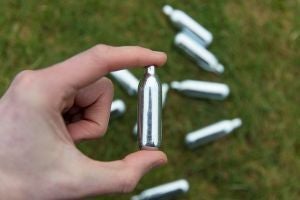
Understanding the law, potential defenses, and the wider impact of a conviction is crucial if you're charged under PC 381 b. This law, though frequently used in dentistry, automotive work, and the food industry, can result in misdemeanors, jail, fines, and professional repercussions if misused for recreational purposes.
PC 381b targets people who possess nitrous oxide with the intention of inhaling it for intoxication or who are caught under its influence without a valid medical reason.
This law is part of California's larger effort to control controlled substances and safeguard public health.
However, its wording is broad enough to include situations where no criminal intent exists, which can lead to false accusations and legal misunderstandings. The law exempts legitimate medical, surgical, or dental uses, and the prosecution must demonstrate intent to use nitrous oxide for intoxication to win a case.
A key element of a PC 381b charge is that the defendant deliberately intended to inhale or ingest nitrous oxide to achieve intoxication. If the substance was held for lawful reasons—like for a whipped cream dispenser or improving a vehicle's engine—this requirement might not be satisfied.
Key Takeaways
- Many people know nitrous oxide as "laughing gas' because they've received it at the dentist's office, but it's a popular recreational drug.
- It is illegal to possess or be under its influence outside of legitimate medical use under California Penal Code 381b PC.
- This law does not apply to anyone under the influence of nitrous oxide when it is administered for medical, surgical, or dental procedures by a licensed healthcare professional.
- Nitrous oxide, commonly used in dental work or surgery to numb patients during treatment, is considered legal in medical settings.
- Using nitrous oxide in a medical environment is not illegal because its purpose is to assist with medical procedures.
- The statute requires that the individual knowingly used nitrous oxide for its intoxicating effects.
- The prosecution needs to provide evidence that the substance was indeed nitrous oxide. Weaknesses in the case can arise from faulty testing, mislabeled products, or the absence of forensic analysis.
What Does PC 381b Say?
Penal Code 381b PC says, "Anyone who possesses nitrous oxide or any substance containing nitrous oxide, with the intent to breathe, inhale, or ingest to cause a condition of intoxication, elation, euphoria, dizziness, stupefaction, or dulling of the senses, or for the purpose of changing, distorting, or disturbing the audio, visual, or mental processes, or who knowingly is under the influence of nitrous oxide is guilty of a misdemeanor crime."
PC 381b specifically criminalizes two actions:
- To possess nitrous oxide—or any substance containing it—with the intent of intoxication; or
- Being aware of consuming nitrous oxide (or any of its derivatives).
"Possession" can refer to having the drug on you or in a place you control, like your home or car. If police find nitrous oxide in your possession, they can arrest and charge you—even if you don't seem to be under its influence.
The phrase 'under the influence' means having enough nitrous oxide in your system to impair your physical or mental abilities. This doesn't necessarily imply traditional intoxication.
For instance, if nitrous oxide has affected your ability to drive, you can be charged with being under the influence, which could lead to additional charges and penalties.
What are the Penalties?
Violating PC 381b is a misdemeanor in California, carrying a maximum of six months in jail and a $1,000 fine. However, the judge can opt for summary probation instead of jail.
A conviction for misusing nitrous oxide could have serious implications for your employment, particularly for individuals in healthcare, education, or those holding professional licenses. It might also create issues with immigration status or lead to probation violations if there are other pending legal matters.
Additionally, you might be required to attend a drug education or counseling program and perform community service. You could also face charges under other related statutes, such as the following:
- Health and Code 11350(a) HS - Possession of a controlled substance
- Health and Code 11550 HS - Under the influence of drugs
- Penal Code 381c PC - Furnishing nitrous oxide to minors
- Penal Code 381d PC - Selling nitrous oxide without proper licensing
- Penal Code 22810 PC - Unlawful possession or misuse of tear gas
What are the Common Defenses?
The law mandates that the person intentionally used nitrous oxide for its intoxicating effects. However, suppose the use was accidental or part of a medical treatment. In that case, your California criminal defense lawyer might argue that the elements of knowledge and intent needed for a conviction are not met.

This defense strategy can be effective in certain situations and should be thoroughly discussed with your legal counsel.
You might argue that your nitrous oxide intoxication was due to medical or dental treatment. If you can demonstrate that a licensed professional administered the gas for medical or dental reasons, then you have a valid defense.
Maybe you didn't purposely inhale nitrous oxide to get intoxicated. For instance, someone might have tricked you into inhaling it by claiming it was helium or another gas.
Also, the nitrous oxide might not have been in your control; it could have belonged to someone else in your group, and you were mistaken for the owner.
We might argue that the police conducted an illegal search and seizure. If they found the nitrous oxide through an unlawful search—such as searching without a warrant or probable cause-then any evidence obtained during that search cannot be used against you.
What are Some Legal Options?
If you are charged with violating Penal Code 381b, reach out to our law firm to discuss your case and explore legal options. Negotiating with the prosecutor may lead to a favorable outcome, such as reduced charges or a dismissal of the case.
Your attorney might collaborate with experts in medical toxicology, pharmacology, or digital forensics to contest the prosecution's evidence. This is especially crucial in determining if the observed symptoms genuinely resulted from nitrous oxide intoxication or from an unrelated condition.
In certain cases, particularly for first-time offenders, courts may approve diversion programs or probation, which may include requirements such as drug education or counseling, community service, and remaining arrest-free during the probation period.
These alternatives can help you avoid a conviction while addressing any underlying concerns that contributed to the arrest. For more information, contact our criminal defense law firm, Cron, Israels & Stark in Los Angeles, CA.
Related Content:
