
You can legally drive in California with a valid foreign license if you're a tourist or temporary visitor. However, once you become a resident, you must obtain a California driver's license within 10 days.
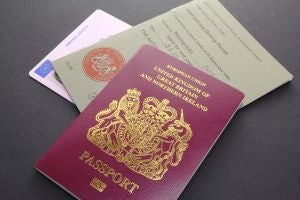
California does not accept an International Driving Permit (IDP) as an official license, though it can be helpful for translation.
Tourists and short-term visitors can drive in California with a valid government-issued license from their home country. While an IDP can help with translation, it is not a substitute for a license and is not officially recognized by California.
Some rental car companies may also require an IDP in addition to your national license.
It's crucial to note that you are considered a resident if you establish a permanent residence, pay tuition, or seek employment in California. Failing to obtain a California license within 10 days of becoming a resident can lead to legal complications.
To acquire a license, you must verify your identity and legal status, pass a vision screening, and pass a written knowledge exam. You might also be required to complete a road skills test.
Key Takeaways
- If you're a visitor with a valid license from your home country, you can usually drive here.
- You are not required to obtain a California driver's license or an international driving permit (IDP).
- California law is designed to make your stay more convenient. It allows foreign visitors to drive with their home country's license during their visit, provided they are at least 18 years old and their driver's license was lawfully issued in their country of residence.
- This rule aims to make travel easier for tourists, business travelers, and other international visitors.
- It must also cover the vehicle type you drive in California, such as a car, motorcycle, or truck.
- Sometimes, a rental car agency might require an international driving permit (IDP) and a foreign license.
- The IDP can be useful if your driver's license is not in English.
- If you're 16 or 17 years old, you can only drive in California for up to ten days after arriving.
- The ten-day limit does not apply if you have a valid driver's license from your home country, a nonresident minor's certificate from the California DMV, and proof of financial responsibility, such as car insurance.
- Remember, it's essential to carry all these documents when driving in California to avoid any legal issues.
- California Vehicle Code 12500(a) VC prohibits driving a motor vehicle on public streets, highways, or off-street parking areas without possessing a valid driver's license.
What Considerations Should Be Kept in Mind?
Although California allows the use of foreign licenses, drivers should be aware of several restrictions and considerations.
- Language: If your license is not in English, it's advisable to carry an IIDP or an official translation of your license. This can be particularly helpful during interactions with law enforcement, making your credentials easier to verify. The IDP must be issued in your home country.
- Insurance: Drivers are required to comply with California's minimum insurance standards. Foreign drivers should verify that their insurance policy, whether issued in their home country or obtained as a visitor, meets California's requirements.
- Duration of Stay: The ability to drive using a foreign license is meant for temporary visitors. Anyone planning to establish residency in California must get a California driver's license.
- Vehicle Type: The foreign license must permit the holder to operate the specific vehicle they plan to drive in California. For instance, if someone intends to ride a motorcycle, their license must be valid for motorcycle operation.
- Minors: Foreign drivers under 18, specifically those aged 16 or 17 with valid licenses from their home country, can drive for up to 10 days after arriving. Suppose they intend to stay longer and continue driving. In that case, they need to get a nonresident minor's certificate from the Department of Motor Vehicles and carry it along with their foreign license whenever they drive.
Some countries do not require or issue driver's licenses. In these situations, California law allows you to drive your own foreign vehicle without a license if you are over 18. Otherwise, you need to obtain a California driver's license.
What Are the Penalties for Driving Without a Valid License?
Driving without a valid license in California is classified as a "wobblette" offense under Vehicle Code 12500(a), which can be charged as a misdemeanor or an infraction.

VC 12500 says, "(a) A person may not drive a motor vehicle on a highway unless the person holds a valid driver's license under this code, except those persons expressly exempted.
(b) A person may not drive a motorcycle, motor-driven cycle, or motorized bicycle upon a highway unless the person then holds a valid driver's license or endorsement issued under this code for that class, except those persons who are expressly exempted under this code, or those persons specifically authorized to operate motorized bicycles or motorized scooters with a valid driver's license of any class, as specified in subdivision (h) of Section 12804.9."
If charged with an infraction, you may be fined up to $250. If charged with a misdemeanor, the penalties could include up to six months in county jail and a fine of up to $1,000. Your immigration status might also be affected, and deportation could be a possibility.
If you have any questions or need further information, our law firm is here to help. Cron, Israels & Stark has offices located in Los Angeles, CA, and we can provide additional information or a case review to ensure you understand and comply with California's driving laws.
