
The Los Angeles Superior Court recently acknowledged that it failed to report the final outcomes of approximately 464,000 criminal cases to the California Department of Justice.
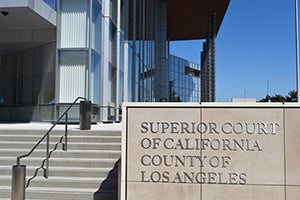
This was due to long-standing technical issues within its former case management system.
This reporting failure, which dates back to the early 1980s and in some instances as recently as 2022, may have resulted in inaccurate or incomplete criminal history records, commonly known as rap sheets, for hundreds of thousands of individuals.
The issue has serious implications for criminal defendants, background checks, sentencing enhancements, and potential post-conviction relief.
The Los Angeles-based criminal defense attorneys at Cron, Israels & Stark are here to help.
Schedule your consultation using the contact form or call us at (424) 372-3112.
What Happened?
According to the court's public statement, arrest disposition reports were not properly transmitted to the California Department of Justice due to alleged system errors in the Trial Court Information System (TCIS), an older criminal case management platform.
The court identified approximately:
-
464,000 total impacted cases
-
380,000 conviction cases were not properly reported
-
84,000 dismissal cases not reported
-
61,000 felony dismissals
-
23,000 misdemeanor dismissals
The majority of unreported cases span from the early 1980s through 2006, though some occurred as recently as 2022.
The court transitioned to a modernized case management platform beginning in 2016, with full implementation completed in 2023.
Why This Matters
Criminal disposition reporting is critical because rap sheets are used to:
-
Establish prior convictions
-
Determine strike eligibility
-
Apply sentencing enhancements
-
Influence prosecutorial filing decisions
-
Conduct employment background checks
-
Evaluate housing applications
-
Screen candidates for public sector jobs
If a conviction or dismissal was never properly reported, an individual's criminal history record may be incomplete or inaccurate.
In some cases, dismissals may not appear, making it appear as if charges remain pending. In other cases, conviction data may be missing, which could affect sentencing in subsequent cases.
Impact on Sentencing and Prior Convictions
In California criminal cases, prior convictions can dramatically increase penalties under:
-
Three Strikes law
-
Serious felony enhancements
-
Prior prison term enhancements
If prior dispositions were not accurately reported to the DOJ, there could be implications in both past and current prosecutions.
Inaccurate records may also affect whether prosecutors choose to file felony or misdemeanor charges.
Expungement and Resentencing Implications
The court acknowledged that the impacted individuals:
-
May see their criminal records updated
-
May qualify for resentencing relief
Once accurate dispositions are transmitted and reflected in DOJ records, individuals may be eligible for:
-
Penal Code 1203.4 expungement
-
Record sealing
-
Proposition 47 relief
-
Proposition 64 relief
-
Resentencing petitions
-
Strike dismissals
For individuals whose cases were dismissed but never properly reported, correction of records may significantly improve employment and housing opportunities.
Background Check Consequences
Incomplete reporting affects more than sentencing. It also impacts:
-
Private employer background checks
-
Government hiring decisions
-
Professional licensing
-
Firearm eligibility
-
Immigration consequences
-
Housing applications
If a dismissal was never recorded in DOJ databases, background checks may reflect only the arrest without resolution.
This can unfairly harm individuals whose charges were dropped or cases were dismissed.
What Should You Do If You May Be Affected?
If you have a criminal case in Los Angeles County dating back to the 1980s through 2022, you may want to:
-
Obtain a copy of your California DOJ criminal history record
-
Review whether dispositions are accurately reflected
-
Consult with a criminal defense attorney regarding correction options
-
Determine eligibility for expungement or record relief
Errors in criminal history reporting can be corrected, but the process often requires legal guidance and formal petitions.
Court Response
The Los Angeles Superior Court stated that it is:
-
Collaborating with the California Department of Justice
-
Working to mitigate the backlog
-
Committed to modernizing its systems
-
Implementing safeguards to prevent future reporting failures
Court leadership emphasized transparency and acknowledged the importance of maintaining accurate criminal history records.
Frequently Asked Questions
How do I know if my case was affected?
You must request a copy of your California Department of Justice criminal history record and compare it to your actual case outcome.
Could this affect past sentencing?
Potentially. If prior convictions or dismissals were not properly reported, it could affect enhancements or filing decisions in subsequent cases.
Can I fix an inaccurate rap sheet?
Yes. Individuals can seek corrections through formal procedures, often with the assistance of a criminal defense attorney.
Does this mean convictions disappear?
No. The issue involves reporting failures, not automatic erasure of convictions. Records may be updated as data is transmitted to DOJ.
Could I qualify for expungement?
Possibly. Once records are accurately updated, you may qualify for expungement or resentencing relief depending on your case.
Protecting Your Record and Your Rights
Accurate criminal history records are essential for employment, housing, licensing, and future legal proceedings. If you believe your record may be incomplete or inaccurate due to this reporting failure, it is important to take proactive steps.
A knowledgeable criminal defense attorney can:
-
Review your criminal history
-
Verify court dispositions
-
File correction petitions
-
Seek expungement or resentencing
-
Protect you from improper enhancements
Cron, Israels & Stark is based in Los Angeles and assists individuals with criminal record review, expungement, and post-conviction relief matters.
