
Automated speed safety cameras are officially launching in Los Angeles. The City of Los Angeles has begun installing 125 speed cameras across all 15 Council Districts as part of a major new pilot program authorized by California state law (Assembly Bill 645).
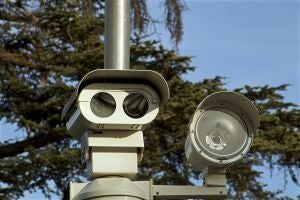
California Assembly Bill 645 is landmark legislation that authorizes a strict, heavily regulated 5-year pilot program for automated speed safety systems.
Designed specifically to prioritize pedestrian safety, curb street racing, and protect children around schools, the bill establishes a framework that balances rigorous traffic enforcement with strict civil privacy protections.
The program aims to curb reckless driving and reduce traffic fatalities. With nearly 300 people killed annually in Los Angeles traffic crashes—where speed remains the leading factor—this initiative brings a data-driven, automated enforcement tool to city streets.
When Will Los Angeles Speed Cameras Go Live?
The rollout schedule for the Los Angeles speed camera program is set in phases running through late 2026:
-
Installation Phase: Installation is currently underway across high-risk corridors.
-
Initial Activation: The first batch of approximately 20 cameras will go live and begin operating no later than October 26.
-
Full Deployment: All 125 speed cameras will be installed and fully operational before the end of 2026.
Although initial estimates targeted a spring-to-summer rollout, the Los Angeles Department of Transportation (LADOT) took the necessary time during the summer months to carefully establish proper construction contracts, prioritizing program accuracy and reliability.
How Do the New L.A. Speed Cameras Work?
The automated speed safety system uses high-tech cameras focused strictly on traffic compliance:
-
Trigger Threshold: The system activates when a vehicle travels 11 miles per hour or more above the posted speed limit.
-
Rear Capture: The cameras capture a photo of the vehicle's rear license plate only. Per privacy requirements in AB 645, they do not film or photograph drivers or vehicle interiors.
-
Data Verification: Captured data is transmitted to LADOT to confirm the violation. If validated, LADOT mails a notice of violation to the registered vehicle owner within 15 days.
-
Liability & DMV Points: Similar to a parking ticket, citations issued by these cameras do not add points to a driver's license. The registered owner is legally responsible for paying the fine, regardless of who was driving at the time.
-
Data Privacy: If a photograph is captured and no violation is detected, the image data must be automatically deleted within five days.
What Are the Fine Amounts and Warning Periods?
To give drivers time to adjust, every newly activated camera initiates a 60-day warning period. During this window, motorists caught driving 11 mph or more over the limit will receive a written warning in the mail rather than a financial penalty.
Once the 60-day grace period concludes for a specific camera location, standard fine structures take effect based on speed overages:
-
11 to 15 mph over the limit: $50 fine
-
16 to 25 mph over the limit: $100 fine
-
26 mph or more over the limit: $200 fine
-
100 mph or more over the limit: $500 fine
Equitable Fines: To prevent financial hardship, participating cities offer significant fine reductions (ranging from 50% to 80% off standard rates) for low-income drivers or individuals enrolled in public assistance programs, alongside community service alternatives.
A complete, up-to-date schedule of fines and program guidelines can be found at LAspeedsafety.org.
Where Will the Speed Cameras Be Placed?
Under Assembly Bill 645, 125 cameras are distributed strategically across Los Angeles.
Every one of the city's 15 Council Districts will receive at least eight cameras. Placement is heavily prioritized in areas with documented histories of severe crashes, pedestrian injuries, and dangerous speeding, including:
-
School zones to protect children and families walking or biking.
-
Major high-injury street corridors.
-
Corridors historically plagued by illegal street racing and stunt driving.
Beyond Los Angeles, the broader California statewide pilot program also includes San José, Oakland, Glendale, Long Beach, and San Francisco.
Frequently Asked Questions (FAQs)
Will speed camera tickets add points to my driver's license?
No. Citations issued through the Automated Speed Safety System work like parking tickets. They do not add points to your driver's license, and your auto insurance rates are generally not affected by these citations.
Who has to pay if someone else was driving my car?
The registered owner of the vehicle on file with the Department of Motor Vehicles is legally responsible for paying the fine if the vehicle is photographed speeding, regardless of who was driving.
Do the cameras take pictures of the driver's face?
No. State legislation (AB 645) explicitly mandates strict privacy protections. The cameras only capture the rear license plate of speeding vehicles, do not record video, and do not film or photograph the driver or passengers inside the car.
What happens if my photo is taken but I was not speeding?
If data analysis shows that a vehicle was traveling below the enforcement threshold or no violation occurred, privacy laws require that the captured photographs and data be permanently deleted within five days.
How effective are automated speed cameras?
According to data cited by LADOT, automated speed safety systems have proven highly effective in urban environments, successfully reducing speeding incidents by 31% to 82% and cutting fatal traffic crashes by 53% to 71%.
When will all 125 cameras be turned on?
While the first wave goes live around late October, LADOT officials confirm that all 125 cameras included in the initial pilot program will be fully installed, tested, and active before the end of the year.
How We Can Help You Fight a Speed Camera Ticket
Receiving an automated speed camera citation in the mail can feel frustrating and confusing, but getting a ticket does not mean you have to accept it blindly.
Navigating California's administrative review processes, strict filing windows, and legal compliance guidelines requires precision.
Our team can help drivers evaluate, contest, and successfully fight speed camera tickets under AB 645 guidelines.
Whether you need help filing a timely initial administrative review, gathering evidence to prove you weren't the driver of record, checking for missing or obstructed mandatory warning signage, or ensuring the city's procedural errors invalidate the ticket, we provide the expert support you need.
Don't let an improper citation or missed deadline cost you money—contact Cron, Israels & Stark today to protect your wallet and ensure your rights are fully upheld.
Navigating new municipal regulations and driving laws can be challenging for residents, businesses, and legal professionals alike. Even with no points on your driving record, speed-camera tickets are often harder to fight because they are handled administratively, like parking tickets.
Schedule your consultation today at (424) 372-3112 or use the contact form. Our law firm is based in Los Angeles.
