
Under California Penal Code 18715 PC, it is a severe felony to possess, surrender, or transport any explosive or destructive device in or near specific public places, private residences, highways, or common carrier conveyances.
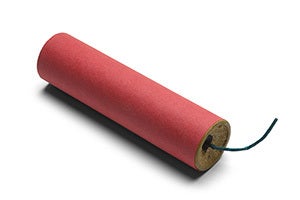
California enforces strict statutory controls over explosive materials to prevent catastrophic property damage, mass injury, or loss of life.
Unlike general possession of explosive components, PC 18715 specifically targets carrying or possessing fully formed explosives or destructive devices in areas where members of the public, residents, or commuters are present or exposed to risk.
Understanding the statutory elements, felony penalties, and legal defense strategies under California's explosive laws is critical if you or a loved one faces prosecution under this statute.
What Is the Statutory Language of PC 18715?
California Penal Code Section 18715 PC sets forth the explicit statutory prohibition against possessing destructive devices or explosives in specified locations:
(a) Every person who recklessly or knowingly has in his or her possession any destructive device or any explosive on any public street or highway, in any theater, hall, school, college, church, hotel, other public building, or private habitation, in any vessel carrying passengers for hire, or in or near any aircraft, motor vehicle, train, cable car, street car, or other vehicle carrying passengers for hire, is guilty of a felony, and shall be punished by imprisonment pursuant to subdivision (h) of Section 1170 for a term of two, four, or six years.
(b) "Destructive device" as used in this section includes, but is not limited to, any of the following...
What Are Key Statutory Definitions Under California Explosives Laws?
To evaluate charges under Penal Code 18715 PC, California courts rely on precise legal definitions provided across related sections of the California Penal Code:
1. Destructive Device (Penal Code 16460 PC)
Under California law, a destructive device includes bomb shells, grenades, pipe bombs, rockets, missiles, mines, incendiary ammunition, or any weaponized device designed to detonate or explode.
2. Explosive (Health and Safety Code 12000)
An explosive refers to any chemical compound, mixture, or device commonly used to produce an explosion or detonation, including dynamite, nitroglycerin, black powder, blasting caps, TNT, or plastic explosives.
3. Recklessly or Knowingly
To act knowingly means knowing the item you possess is an explosive or destructive device. To act recklessly means consciously disregarding a substantial and unjustifiable risk that possessing or transporting the item creates a severe hazard to human life or safety.
What Must Prosecutors Prove to Convict You Under PC 18715?
To secure a felony conviction for possessing explosives under California Penal Code 18715 PC, prosecutors must establish the following elements of the crime beyond a reasonable doubt:
-
Possession of Explosive or Device: The defendant possessed, carried, or transported an actual explosive or destructive device.
-
Reckless or Knowing Mental State: The defendant knew of the item's presence and dangerous explosive character, OR handled/transported the item with reckless disregard for public safety.
-
Prohibited Location: The possession occurred in a designated public building (e.g., school, church, hotel, theater), private residence, public street/highway, or in/near passenger transportation conveyances (e.g., aircraft, trains, buses, or passenger vessels).
What Are the Penalties for Possessing Explosives Under PC 18715?
Violations of Penal Code 18715 PC are non-wobbler, straight felonies due to the extreme danger posed to public safety.
|
Offense Classification |
Statutory Sentence Terms |
Additional Enhancements & Consequences |
| Straight Felony (PC 18715) | 2, 4, or 6 years in California state prison | Mandatory restitution fines and permanent loss of firearm ownership rights |
| Felony with Intent to Injure (PC 18740) | 3, 5, or 7 years in California state prison | Additional sentence enhancements under California's Three Strikes Law |
| Felony Causing Severe Injury (PC 18750) | 5, 7, or 9 years in California state prison | Substantial state prison term served without eligibility for local county jail |
What Are Common Legal Defense Strategies Against PC 18715 Charges?
An experienced California criminal defense attorney can deploy several strategic legal arguments to contest charges under Penal Code 18715 PC:
-
Item Does Not Qualify as an Explosive or Destructive Device: Establishing through forensic analysis or expert testimony that the seized item was inert, a harmless prop, standard consumer fireworks, or lacked detonating capability.
-
Lack of Knowledge or Awareness: Proving that you were completely unaware the explosive item was present (e.g., a package delivered to your residence belonged to a third party or was left inside a shared vehicle).
-
Unlawful Search and Seizure (PC 1538.5): Moving to suppress physical evidence if law enforcement discovered the items through an illegal traffic stop, unconstitutional pat-down, or defective search warrant.
-
Valid Legal Permit or Authorized Duty: Showing that you were legally authorized, licensed, or acting within the scope of legitimate employment (e.g., licensed commercial blasting or military/law enforcement duties).
-
Lack of Prohibited Location: Demonstrating that the item was possessed in a lawful, non-prohibited private location or rural setting not covered by the statutory list in PC 18715.
Hypothetical Example of a PC 18715 Explosives Case
To better understand how Penal Code 18715 PC applies in court, consider the following scenario:
Scenario: David is a pyrotechnics hobbyist who constructs a homemade pipe device filled with black powder and a manual fuse. He places the device in his backpack and boards a commuter light-rail train to visit a friend. During a routine fare inspection, transit security officers notice the metallic pipe protruding from his bag, call law enforcement, and arrest David for possessing an explosive device near a public transit vehicle under PC 18715.
Legal Outcome: David retains a criminal defense attorney who conducts an independent forensic examination of the device. Defense experts establish that the powder mixture was non-combustible chemical filler and lacked any ignition capability or functional fuse mechanism. Because the prosecution cannot prove beyond a reasonable doubt that the object met the statutory legal definition of a functional "explosive" or "destructive device," prosecutors drop the felony charges under PC 18715.
What Are Other California Laws Related to PC 18715?
Understanding related California weapons and explosives statutes is essential because prosecutors frequently file multiple overlapping charges in explosive investigations.
-
California Penal Code 18720 PC (Possessing Materials to Make Explosives): Criminalizes possessing the raw chemical ingredients, materials, or substances with the intent to manufacture a destructive device or explosive.
-
California Penal Code 18740 PC (Possessing Explosives with Intent to Injure): Prohibits possessing explosives or destructive devices with the specific intent to intimidate, injure, or terrify another person.
-
California Penal Code 18750 PC (Igniting or Detonating an Explosive): Makes it a severe felony to detonate or explode any destructive device causing bodily injury or severe property damage.
-
California Penal Code 12020 PC / 16590 PC (Prohibited Deadly Weapons): Prohibits manufacturing, importing, selling, or possessing specified dangerous weapons and concealed explosive substances.
-
California Health and Safety Code 12305 (Illegal Possession of Explosives): Regulates commercial explosive licensing and penalizes unauthorized possession of commercial explosive materials.
Frequently Asked Questions (FAQs)
Is PC 18715 a misdemeanor or a felony in California?
PC 18715 is always charged as a felony. A conviction carries a mandatory state prison sentence of 2, 4, or 6 years and cannot be filed as a misdemeanor.
Do consumer fireworks count as explosives under PC 18715?
Standard commercial consumer fireworks generally do not fall under PC 18715 unless they have been modified, combined into improvised explosive devices (IEDs), or involve commercial-grade illegal explosives such as M-80s or display fireworks.
Can you be charged under PC 18715 if the explosive was in your private home?
Yes. Penal Code 18715(a) explicitly lists "private habitation" among the prohibited locations for possessing or storing explosive materials or destructive devices without authorization.
What is the difference between PC 18715 and PC 18720?
PC 18715 penalizes possessing a fully constructed explosive or destructive device in public or private spaces. PC 18720 penalizes possessing raw precursor chemicals or materials with the specific intent to manufacture an explosive device.
Will a conviction under PC 18715 affect my constitutional rights?
Yes. A felony conviction under Penal Code 18715 PC results in a lifetime ban on purchasing, owning, or possessing firearms or ammunition under California and federal law, as well as the loss of voting rights while incarcerated.
Speak to a CA Criminal Defense Attorney
Facing felony charges for possessing explosives or destructive devices under California Penal Code 18715 PC carries devastating consequences, including lengthy state prison sentences and permanent felony records.
Prosecuting agencies and specialized bomb squads aggressively investigate these cases, often misinterpreting hobby items or legal materials as dangerous explosive devices.
An experienced California criminal defense attorney at Cron, Israels & Stark can evaluate the legality of police searches, hire independent forensic experts to examine physical evidence, and build a compelling strategy to protect your freedom.
If you or a loved one is facing explosive charges in California, do not wait. Contact a qualified California criminal defense attorney today for a confidential consultation to review your case and defend your future.
