
Under California Penal Code 18740 PC, it is a serious felony to possess any explosive or destructive device with the specific intent to injure, intimidate, or terrify another person, or to destroy another person's property.
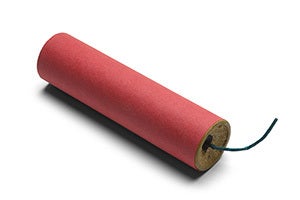
California enforces severe criminal penalties under this statute to deter targeted acts of violence, extortion, and terror involving explosive materials.
Unlike general possession of explosives (PC 18715), charges under PC 18740 require prosecutors to prove a specific, malicious mental state—namely, that you possessed the device specifically intending to cause bodily harm, provoke intense fear, or destroy property.
Understanding the statutory elements, felony prison terms, and legal defense strategies under this law is crucial if you or a loved one faces prosecution in California.
What Is the Statutory Language of PC 18740?
California Penal Code Section 18740 PC establishes the explicit statutory prohibition against possessing destructive devices or explosives with malicious intent:
"Every person who possesses, explodes, ignites, or attempts to explode or ignite any destructive device or any explosive with intent to injure, intimidate, or terrify any person, or with intent to wrongfully destroy or damage any property, is guilty of a felony, and shall be punished by imprisonment in the state prison for a term of three, five, or seven years."
What Are Key Statutory Definitions Under California Explosives Laws?
To interpret and enforce Penal Code 18740 PC, California courts apply key statutory definitions established across related sections of state law:
1. Destructive Device (Penal Code 16460 PC)
Under California law, a destructive device includes bomb shells, grenades, pipe bombs, rockets, missiles, mines, incendiary ammunition, and any weaponized device designed to detonate or explode.
2. Explosive (Health and Safety Code 12000)
An explosive is any chemical compound, mixture, or device commonly used to cause an explosion or detonation, such as dynamite, nitroglycerin, black powder, blasting caps, TNT, or plastic explosives.
3. Intent to Injure, Intimidate, or Terrify
This element requires proof of a specific state of mind. To injure means to inflict bodily harm; to intimidate or terrify means to intentionally create intense fear, apprehension, or emotional dread of imminent harm or property destruction in another person.
What Must Prosecutors Prove to Convict You Under PC 18740?
To secure a felony conviction under California Penal Code 18740 PC, prosecutors must establish the following elements of the crime beyond a reasonable doubt:
-
Possession, Detonation, or Attempt: The defendant possessed or attempted to explode or ignite an explosive or destructive device, or exploded or ignited one.
-
Awareness of Character: The defendant knew that the object they possessed or used was a functional explosive or destructive device.
-
Specific Intent: The defendant acted with the specific intent to injure, intimidate, or terrify a person, OR with the intent to wrongfully destroy or damage property.
What Are the Penalties for PC 18740 Convictions?
Violations of Penal Code 18740 PC are non-wobbler, straight felonies carrying severe mandatory state prison terms and long-term legal consequences.
|
Crime Classification |
Statutory State Prison Terms |
Additional Enhancements & Consequences |
| Possessing Explosives to Injure (PC 18740) | 3, 5, or 7 years in California state prison | Mandatory restitution fines and permanent lifetime firearm ban |
| Exploding Device Causing Great Bodily Injury (PC 18750) | 5, 7, or 9 years in California state prison | Formerly classified as a violent felony under California's Three Strikes Law |
| Exploding Device Causing Death (PC 18755) | Life in state prison without parole (or Death) | Ineligible for probation, local county jail time, or early parole consideration |
What Are Common Legal Defense Strategies Against PC 18740 Charges?
An experienced California criminal defense lawyer can employ several strategic arguments to challenge allegations under Penal Code 18740 PC:
-
Lack of Specific Intent: Showing that while you may have possessed an item, you had zero intent to injure, intimidate, or terrify anyone or damage property (e.g., the items were held for agricultural clearing, fireworks, or artistic prop use).
-
Object Is Not an Explosive or Destructive Device: Establishing through forensic metallurgy or explosive experts that the seized item was inert, fake, non-combustible, or lacked a working detonation mechanism.
-
Unlawful Search and Seizure (PC 1538.5): Moving to exclude physical evidence if law enforcement found the items through an illegal home search, an unconstitutional vehicle stop, or a defective search warrant.
-
Lack of Possession or Knowledge: Proving you were unaware the explosive was present or that it belonged exclusively to another individual in a shared space.
-
False Allegations or Coercion: Showing that an accuser fabricated claims of intimidation or threats because of an ongoing personal dispute, business rivalry, or domestic argument.
Hypothetical Example of a PC 18740 Explosives Case
To better understand how Penal Code 18740 PC operates in court, consider the following scenario:
Scenario: Following a heated dispute with his former business partner, Marcus leaves an inert, dummy pipe bomb model on the partner's doorstep along with a threatening note stating, "Next time it will be real." Police arrest Marcus and prosecutors charge him under PC 18740 for possessing an explosive device with intent to intimidate.
Legal Outcome: Marcus retains a criminal defense attorney who submits the object to a court-appointed bomb squad expert for technical analysis. The expert confirms the object consisted of hollow steel pipes filled with harmless sand, contained no explosive powder, and lacked any chemical or electrical ignition source. Because the item failed to meet the statutory definition of an actual "explosive" or "destructive device" under PC 16460, prosecutors dismiss the felony PC 18740 charge, resolving the matter under lesser non-explosive misdemeanor harassment statutes.
What Are California Laws Related to PC 18740?
Understanding related California weapons and explosives statutes matters because prosecutors routinely charge multiple overlapping offenses based on the same alleged incident.
-
California Penal Code 18715 PC (Possessing Explosives in Public/Private): Penalizes possessing explosives in public buildings, private residences, or transit conveyances without requiring proof of intent to injure.
-
California Penal Code 18720 PC (Possessing Materials to Make Explosives): Prohibits possessing raw precursor chemicals or materials with the specific intent to manufacture a destructive device.
-
California Penal Code 18750 PC (Igniting Explosive Causing Injury): Makes it a severe felony to detonate or explode any destructive device causing bodily injury or severe property damage.
-
California Penal Code 422 PC (Criminal Threats): Prohibits making specific threats of death or great bodily harm that cause an individual sustained, reasonable fear.
-
California Penal Code 16590 PC (Prohibited Deadly Weapons): Prohibits manufacturing, importing, selling, or possessing specified dangerous weapons and concealed explosive materials.
Frequently Asked Questions (FAQs)
Is Penal Code 18740 PC a wobbler offense in California?
No. Penal Code 18740 PC is always charged as a straight felony. A conviction carries a mandatory state prison sentence of 3, 5, or 7 years and cannot be reduced to a misdemeanor.
What is the main difference between PC 18715 and PC 18740?
PC 18715 focuses on the location where explosives are possessed (such as public buildings, transit, or residences) regardless of intent. PC 18740 specifically requires prosecutors to prove you possessed or used the explosive with the intent to injure, intimidate, terrify, or damage property.
Can you be charged under PC 18740 if no one was actually injured?
Yes. Penal Code 18740 PC penalizes the possession or attempted use of explosives when accompanied by the intent to injure or intimidate. Actual physical injury or property damage is not required for a conviction.
Is PC 18740 considered a strike under California's Three Strikes Law?
Yes. Possessing or using explosives with intent to injure under PC 18740 is a serious and violent felony, so it counts as a strike under California's Three Strikes Law (PC 667 and PC 1170.12).
Can a judge grant probation instead of state prison for a PC 18740 conviction?
Probation is extremely rare for PC 18740 convictions due to statutory restrictions on violent felony enhancements. In most cases, a conviction results in a mandatory term in California state prison unless exceptional mitigating circumstances exist.
Speak to a CA Defense Attorney for Help
Facing felony allegations under California Penal Code 18740 PC carries life-altering risks, including up to 7 years in state prison and a permanent violent felony strike on your record. Cases involving alleged explosive devices trigger aggressive law enforcement responses, specialized bomb squad investigations, and high-stakes prosecution.
An experienced California criminal defense attorney can evaluate whether police conducted an illegal search, retain independent forensic experts to examine physical evidence, and challenge the prosecution's claims regarding your intent.
If you or a loved one is under investigation or facing charges for possessing explosives in California, you need immediate legal representation.
Contact a qualified California criminal defense lawyer at Cron, Israels & Stark today to schedule a confidential consultation and build a defense to safeguard your freedom.
